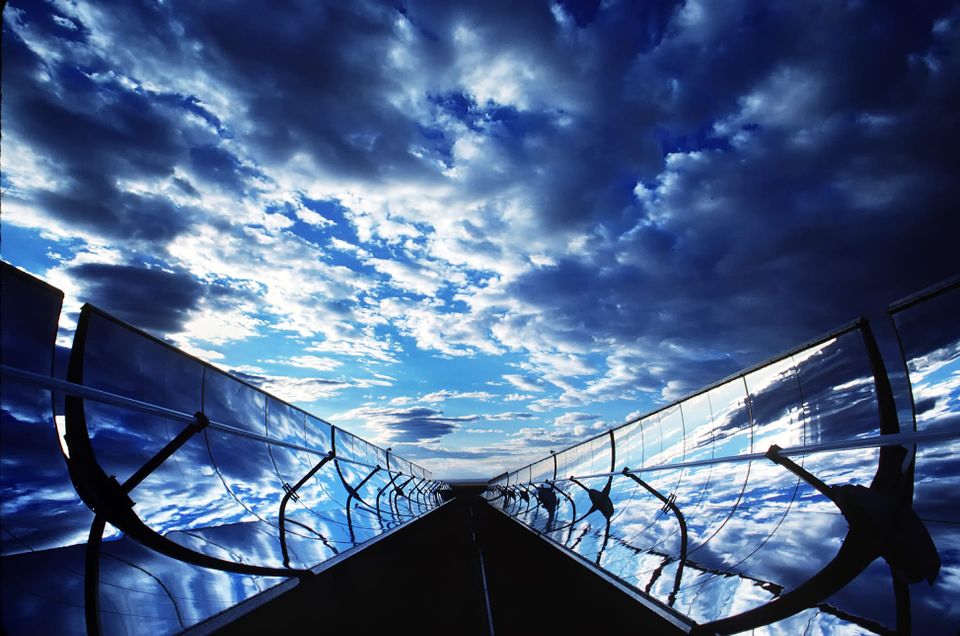
A Nature-Friendly Clean Energy Future
The rapid buildout of renewables could make the extinction crisis worse. It’s a problem we can—and must—solve.

Ground Shift is building a shared space for rethinking the future of America’s public lands, waters, and ocean. If you’re imagining new possibilities for the path ahead, we’d love to hear from you. Get in touch.
Subscribe to stay in the loop
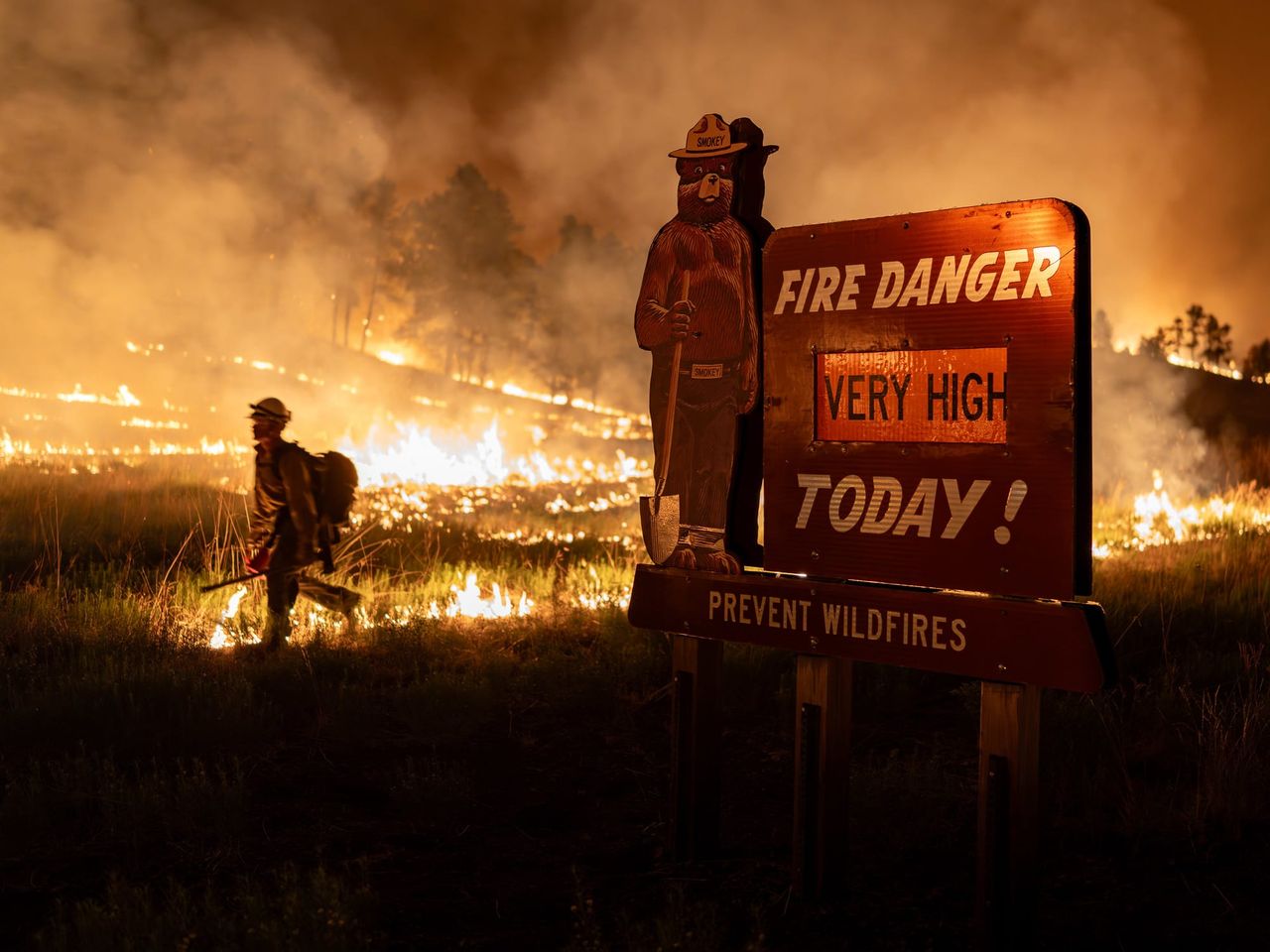
A moment of crisis requires new thinking on managing wildfires.
Ground Shift promotes bold, cross-partisan solutions for the future of America’s public lands and waters.
Sign-up for Ground Shift updates sent to your inbox.
The rapid buildout of renewables could make the extinction crisis worse. It’s a problem we can—and must—solve.
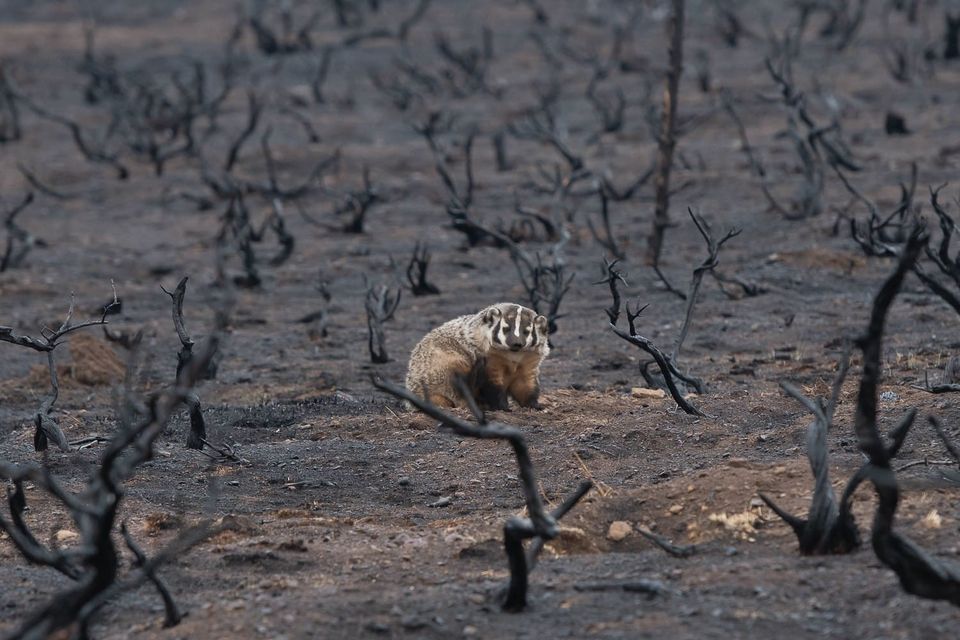
The vast sagebrush steppe of the American West is vanishing. To protect what’s left, we need a new approach to grazing.
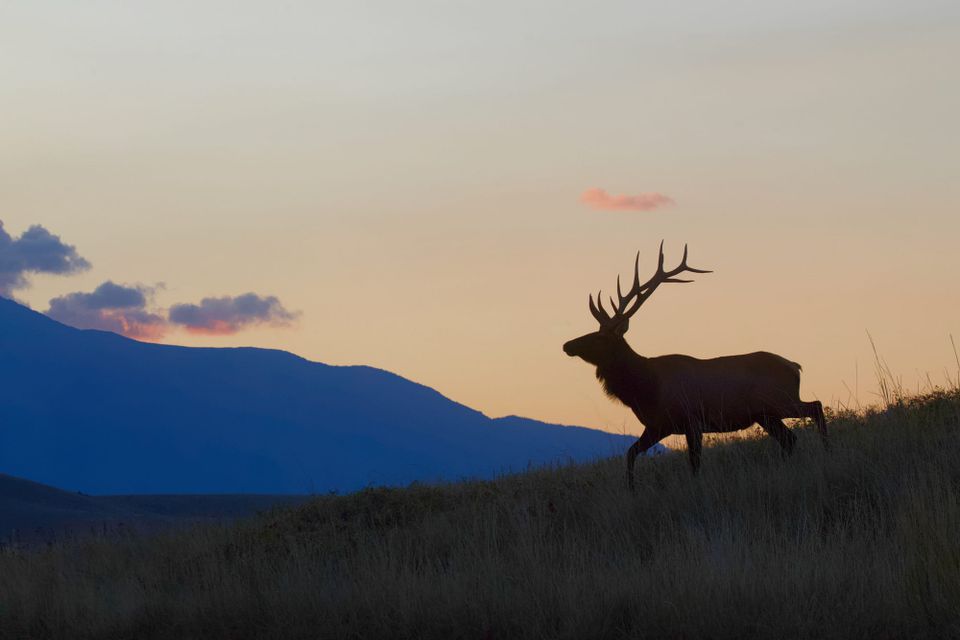
Multiple uses are only possible if public lands are healthy enough to support them. That’s why conservation must come first.
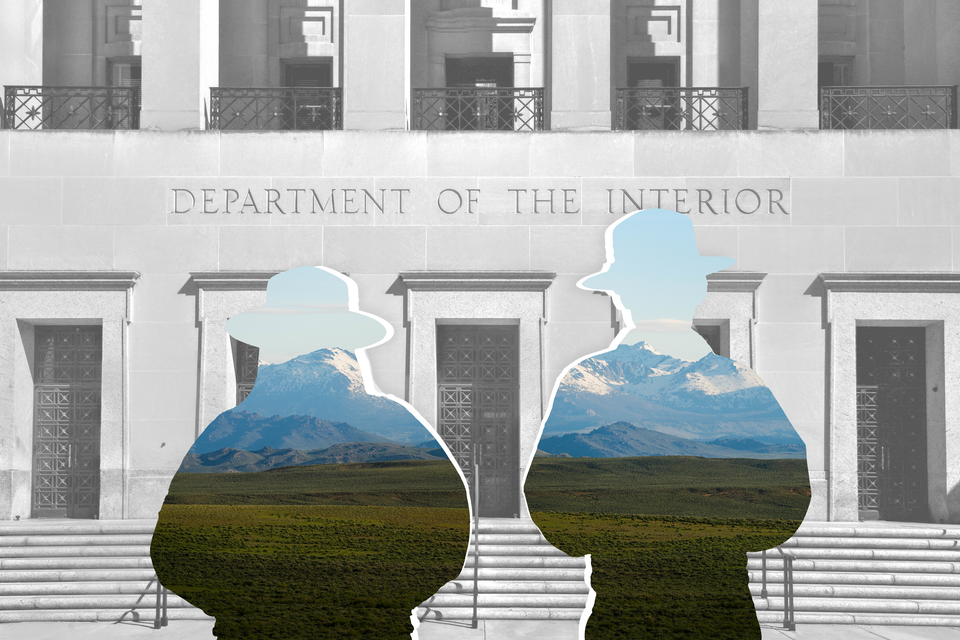
Why expertise at the Department of the Interior matters more than ever.
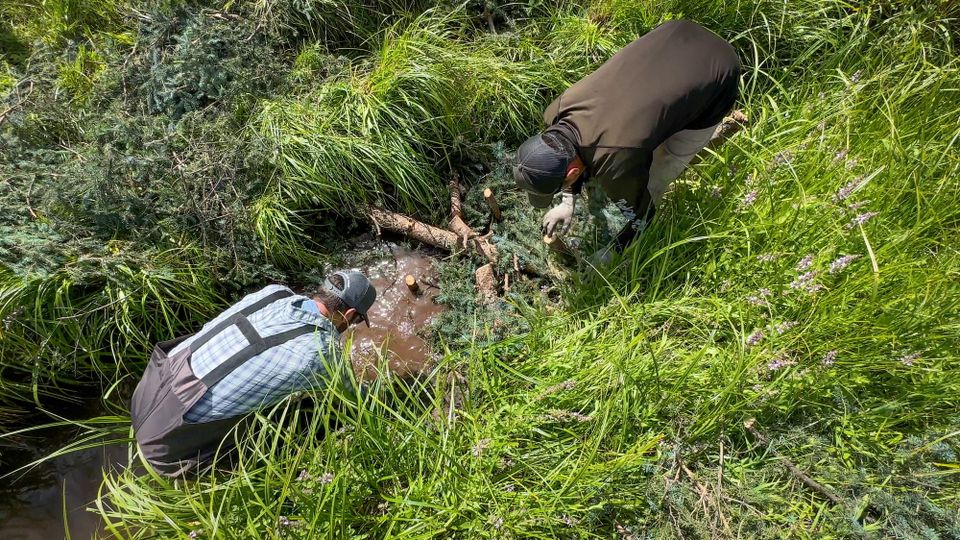
Restoration work in America's forests, streams, and parks powers local economies and has wide bipartisan support. Here is how to do lots more of it.

Pairing the power of an AI-driven geospatial decision support system with the wisdom of locally-led conservation can help us respond to the rapid unraveling of global ecosystems.